

Good grades tell one part of a student's story. What happens when that student needs to lead a team, volunteer regularly, or practice a skill for months? Such experiences reveal strengths a report card cannot. They also teach young people how to make decisions when nobody has given them the answer.
The Duke of Edinburgh Award gives young people a clear way to take on such challenges, with goals they choose and progress they can see. Here is how the program works at Beirut schools, how long it takes, and how it fits alongside school lessons.
What Is the Duke of Edinburgh's International Award?
The Award is an internationally recognized, non-competitive framework for young people aged 14 to 24. Participants work towards personal goals through service, skills, exercise and an adventurous journey. The focus is on following through, rather than outperforming others.
Learning Through Choices and Commitment
Students decide what they want to improve, agree on suitable goals and work steadily towards them. One teenager might learn photography; another might help a community organization or build fitness through football.
Each choice calls for regular effort, making the Duke of Edinburgh Award a practical route to student development.
Who Can Take Part?
The framework has three levels, with minimum starting ages of 14, 15 and 16. Students can begin at a level appropriate for their age; they do not always need to complete Bronze first.
Activities must be finished before their 25th birthday. Families can review the official international Award framework before choosing a starting point.
Compare the High School Diploma Pathways
The diploma your child works toward will shape their final school years. Compare how each route supports different university ambitions.
International Baccalaureate: Research and Academic Breadth
The International Baccalaureate Diploma Program is a two-year qualification generally taken during Grades 11 and 12. The IB Diploma Program combines six subject groups, Theory of Knowledge, an Extended Essay, and Creativity, Activity, Service. This develops research, writing, and time-management skills.
At Eastwood International School, the IB Diploma Program for high school students offers this pathway. Review available subjects against university requirements. The diploma is widely recognized, but admission and possible university credit depend on each institution's policies.
American High School Diploma: Progress Across the School Years
An American diploma typically considers coursework and grades collected across high school. This can suit students who prefer steady assessment over final examinations. Ask about graduation credits, transcripts, standardized testing, and the subjects expected by prospective universities.
Eastwood's American High School Diploma pathway includes English-language instruction and preparation related to the SAT. Eligibility depends on Lebanese requirements and exemptions, so confirm your child's situation with admissions.
Lebanese Baccalaureate: A Familiar National Route
For students considering universities in Lebanon, the Lebanese Baccalaureate deserves equal attention. Its nationally structured curriculum may be a practical match for students whose academic plans align with local admission routes. The school also offers a Lebanese secondary education pathway. Compare subject streams and entry requirements before deciding.
How Do Bronze, Silver and Gold Award Levels Work?
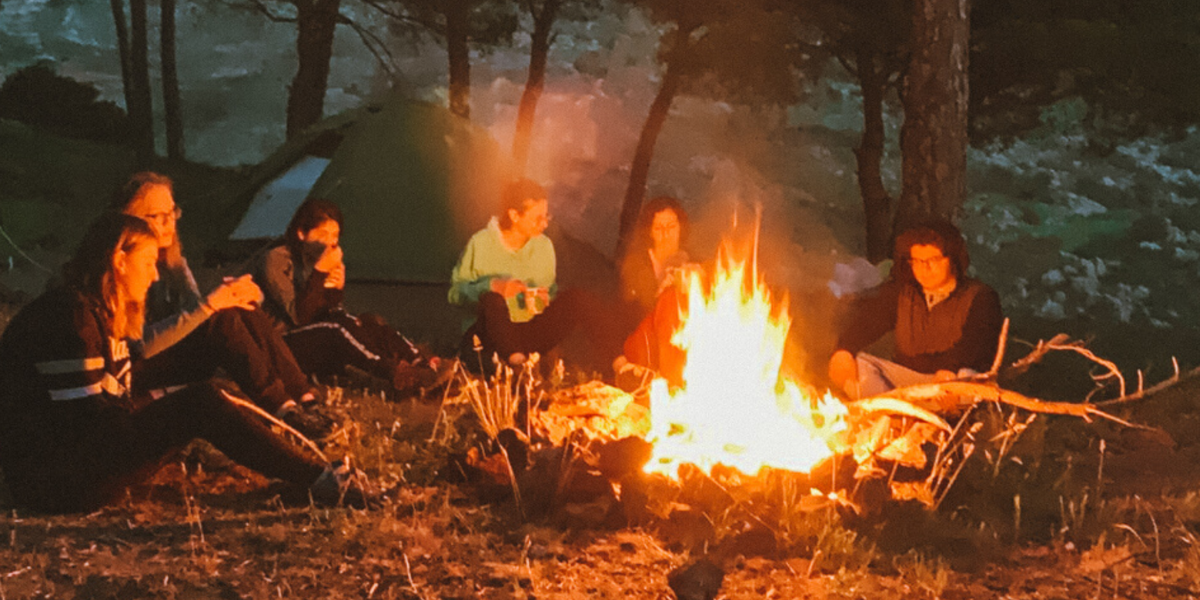
The commitment grows at each level. Completion times also depend on whether students enter directly or have earned the preceding level.
Bronze: Building a Dependable Routine
Bronze begins at age 14 and generally takes at least 26 weeks. Students start with manageable targets and learn to balance volunteering, a personal skill and physical activity with schoolwork.
It introduces record-keeping and steady commitment.
Silver: Taking on a Longer Challenge
Silver starts at age 15. Direct entrants normally need at least 52 weeks, while Bronze holders may complete it in 26 weeks.
Students deepen their involvement and take on a longer adventurous journey. Small efforts gradually turn into visible progress.
Gold: Showing Sustained Independence
Gold starts at age 16. It usually requires at least 78 weeks for direct entrants, or 52 weeks for students who have completed Silver.
Participants face a longer journey and an additional residential project. The official guidance on Award levels explains how previous awards affect the timetable.
What Do Students Do in the Four Award Sections?
The Duke of Edinburgh Award has four core sections at every level. Each develops a different habit or ability.
Voluntary Service and Skills
Service asks students to give their time to others without expecting payment. Skills encourage them to develop a personal interest or practical ability.
Possible choices include:
Voluntary Service: Supporting a community initiative, helping younger learners or contributing to an environmental project.
Skills: Practicing photography, learning an instrument, developing public-speaking ability or exploring a creative project.
Regular participation and reflection give both sections their value.
Physical Recreation and Adventurous Journey
Physical Recreation encourages steady movement and personal fitness goals. Students might choose swimming, running, dance or a team sport.
The Adventurous Journey has a different emphasis: students plan and complete a challenging group expedition or exploration after appropriate preparation.
A journey involves practical responsibilities:
Preparing a route, equipment and a realistic plan with the group.
Practicing teamwork, navigation and safety skills under suitable supervision.
Reflecting on how the group handled unexpected difficulties.
The aim is a planned challenge, not an improvised excursion.
What Changes at Gold?
Gold participants also complete a Residential Project, typically involving five days and four nights in a shared activity away from their usual companions.
This might involve a youth camp, community project or organized course. Working with unfamiliar people calls for adaptability, so families should include the project in their plans.
How Do Students at Beirut Schools Take Part?
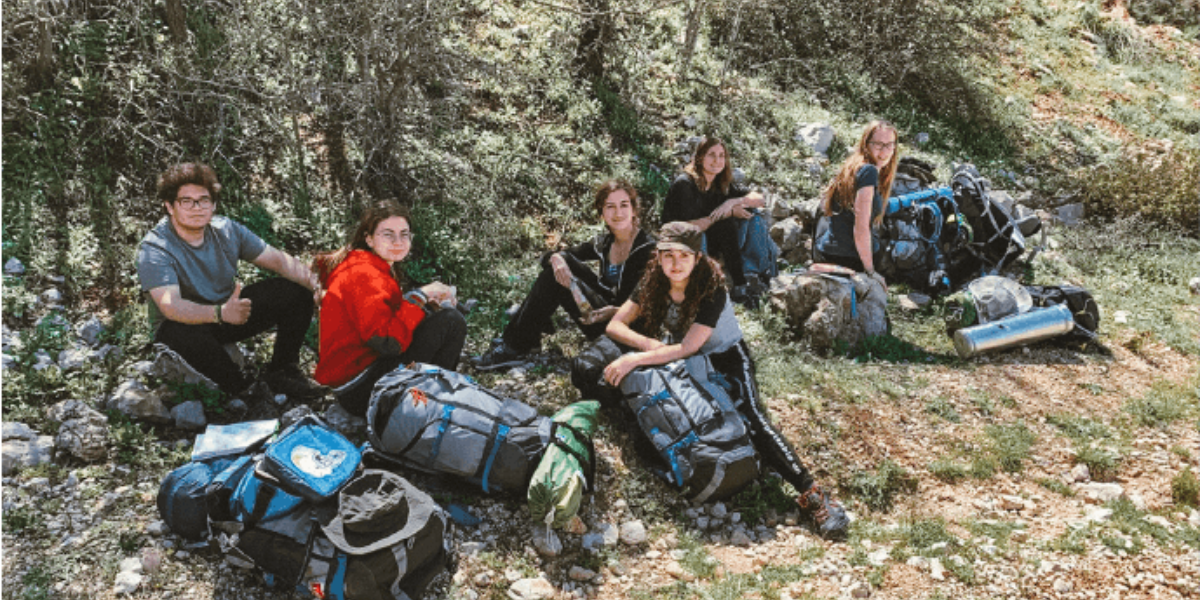
The usual sequence is to register, choose goals, take part regularly and record progress. Local details vary by Award Center.
Choose Activities With a Clear Purpose
Students should start by asking what they genuinely want to achieve.
"Get fitter" is a good intention; "train regularly and improve my running endurance" is a clearer goal.
A meaningful goal helps sustain interest during busy school weeks.
Track Progress With an Award Leader
Participants document their activities and receive guidance from trained adults associated with their Award Center.
Leaders and assessors help them understand the requirements, review evidence and confirm progress. The young person remains responsible for following the plan and recording what they have achieved.
Plan the Journey Thoughtfully
The Adventurous Journey requires preparation, an appropriate team and suitable safety arrangements.
Families should ask the school how journeys are organized, what training is included and how supervision works. Requirements vary by level.
How Does the Award Fit With Learning at Eastwood?
Families looking for an international school in Beirut often ask about learning beyond lessons.
Eastwood International School lists Award participation within its high-school program information.
Connecting IB Education With Everyday Responsibility
IB education encourages inquiry, reflection and thoughtful decisions. Those habits also help students set goals and solve problems with teammates.
For instance, reviewing a missed target can teach a student to change their approach instead of giving up. The Award is separate from an IB qualification, but both can support student development.
Finding Interests Through Extracurricular Activities
School activities can spark new interests. The after-school activities include sports, performing arts and STEAM-related options, with offerings changing by term.
Some extracurricular activities may inspire Award goals, although participants should confirm which activities qualify with their Award leader before counting any hours.
What Should Parents Ask Before Their Child Registers?

A conversation with the school can clarify expectations. Ask what support your child will receive as they work towards the Award.
Registration, Fees and Supervision
Ask which Award levels are available, how registration is handled, whether there are participation costs and who supports students with their records.
Discuss journey training and safeguarding arrangements as well. Also ask whether travel or equipment expenses are included in any quoted fee. Local arrangements may differ from general program descriptions.
Balancing the Award With School Life
Students juggling examinations and extracurricular activities may need modest goals.
Choose an achievable weekly commitment. Consistency counts, even when the challenge seems small.
Helping Your Child Take the Next Step
Start by asking what your child wants to try and can realistically commit to. The Duke of Edinburgh Award gives that ambition structure.
Talk With the School About Opportunities
If you are comparing options for an international school in Beirut, explore Eastwood's admissions information, or ask about Award participation and current activity options.
To discuss the program and your child's goals, contact Eastwood International School and speak with the team.
Frequently Asked Questions
What Age Can Students Start the Duke of Edinburgh Award?
Students generally start Bronze at 14, Silver at 15 and Gold at 16. The Award is open to young people aged 14 to 24, and activities must be completed before turning 25.
An Award Center can explain any applicable starting-age arrangements.
How Long Does It Take to Complete Each Award Level?
Bronze normally takes at least 26 weeks. Silver takes 52 weeks for direct entrants or 26 weeks after Bronze.
Gold takes 78 weeks for direct entrants or 52 weeks after Silver. Individual progress and activity schedules can extend these periods.
Can Students Complete the Award Alongside IB Education?
Yes. The program takes place alongside academic study, including IB education, rather than replacing classroom learning.
Students need to plan their time carefully and agree on a manageable set of goals with their Award leader.
Does a Student Need Previous Experience With Camping or Volunteering?
No. Students can start without experience in camping or organized volunteering.
Preparation is part of the process, and an Award leader can explain the relevant training and activity requirements. Families should ask their school how beginners are supported.